Polystichum tsus-simense Overview
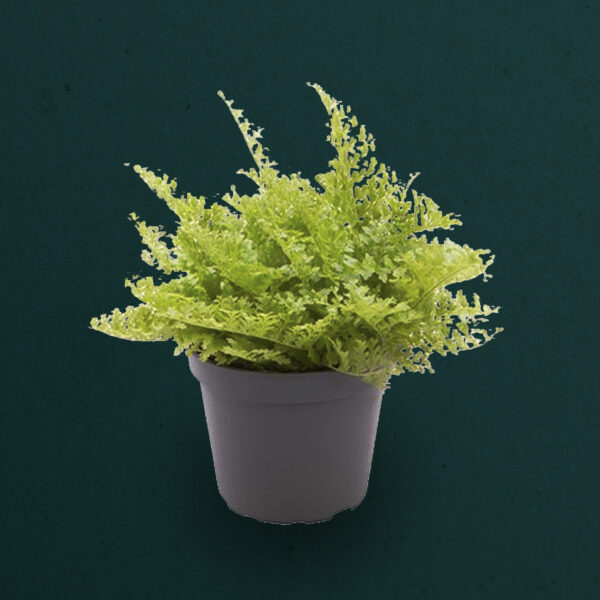
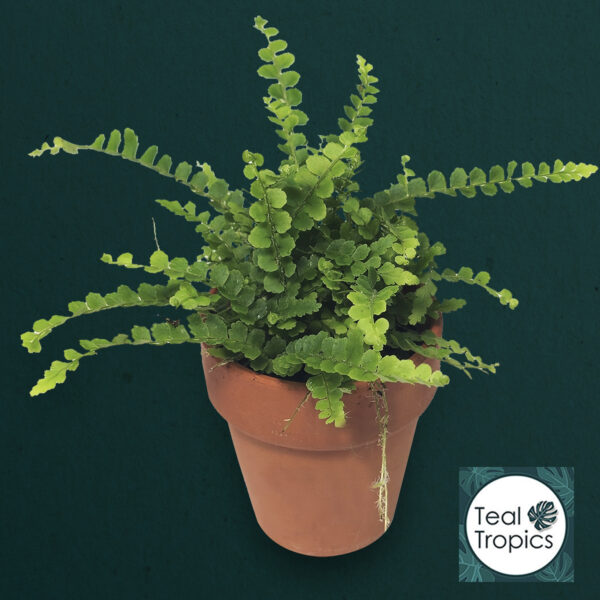
Polystichum tsus-simense (Japanese holly fern) is a compact, clumping fern prized for its glossy, dark green fronds with finely toothed pinnae and a neat, evergreen habit. Its tidy, low-growing form makes it ideal for shaded beds, rock gardens, terrariums, and shaded containers where a durable, low-maintenance fern is desired.
Why Choose This Plant?
| Compact evergreen habit and glossy, textured foliage provide year-round structure in shade gardens and indoor displays; tolerant of lower light and cooler conditions compared with many Boston ferns. |
Plant Details
| Botanical Name Common Name Ease of Care Height / Spread Growth Speed Pet Friendly | Polystichum tsus-simense Japanese holly fern Easy — adaptable and low-maintenance 15–30 cm (6–12 in) height; spreads 30–60 cm (12–24 in) Slow to moderate Non-toxic to pets (generally considered safe) |
Care Guide
| Light | Shade to bright, indirect light; tolerates lower light better than many ferns but avoid hot direct sun. |
| Water | Keep soil consistently moist but well-draining; water when the top 1–2 cm (⅜–¾ in) begins to dry. Avoid prolonged drought or waterlogging. |
| Humidity | Moderate to high humidity preferred; benefits from occasional misting or placement near other plants to raise ambient humidity. |
| Temperature | Prefers 10–24°C (50–75°F); tolerates cooler conditions better than tropical ferns but protect from hard freezes and hot dry air. |
Remove older or damaged fronds at the base to maintain a tidy clump; divide every 3–4 years if overcrowded and refresh soil when repotting.
Use in Terrariums & Displays
| Well-suited to shaded terrariums, woodland-style containers, and shaded garden borders; prefers open or semi-open terrariums with good airflow rather than small fully sealed setups. |