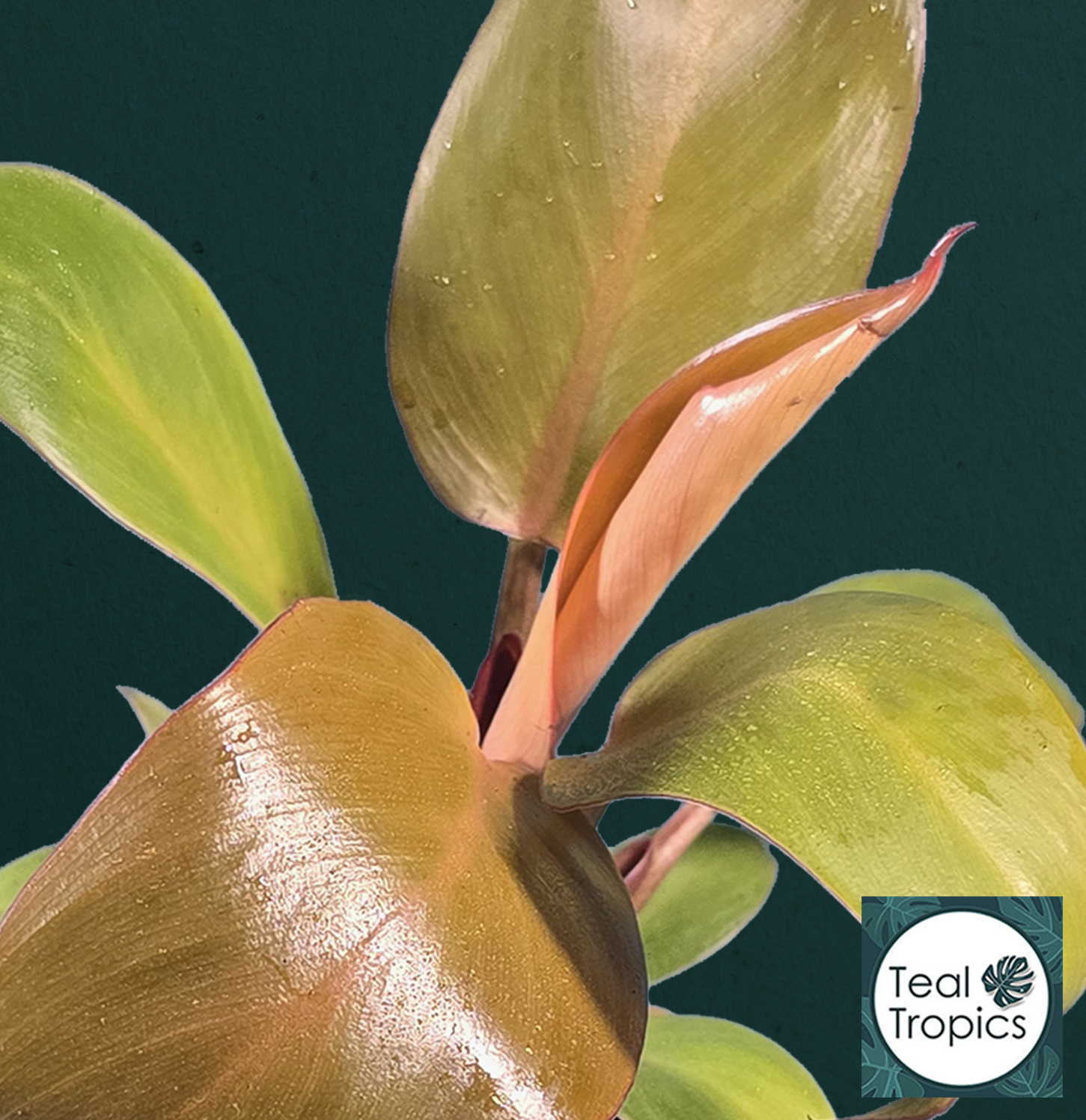
Philodendron ‘Prince of Orange’ Overview
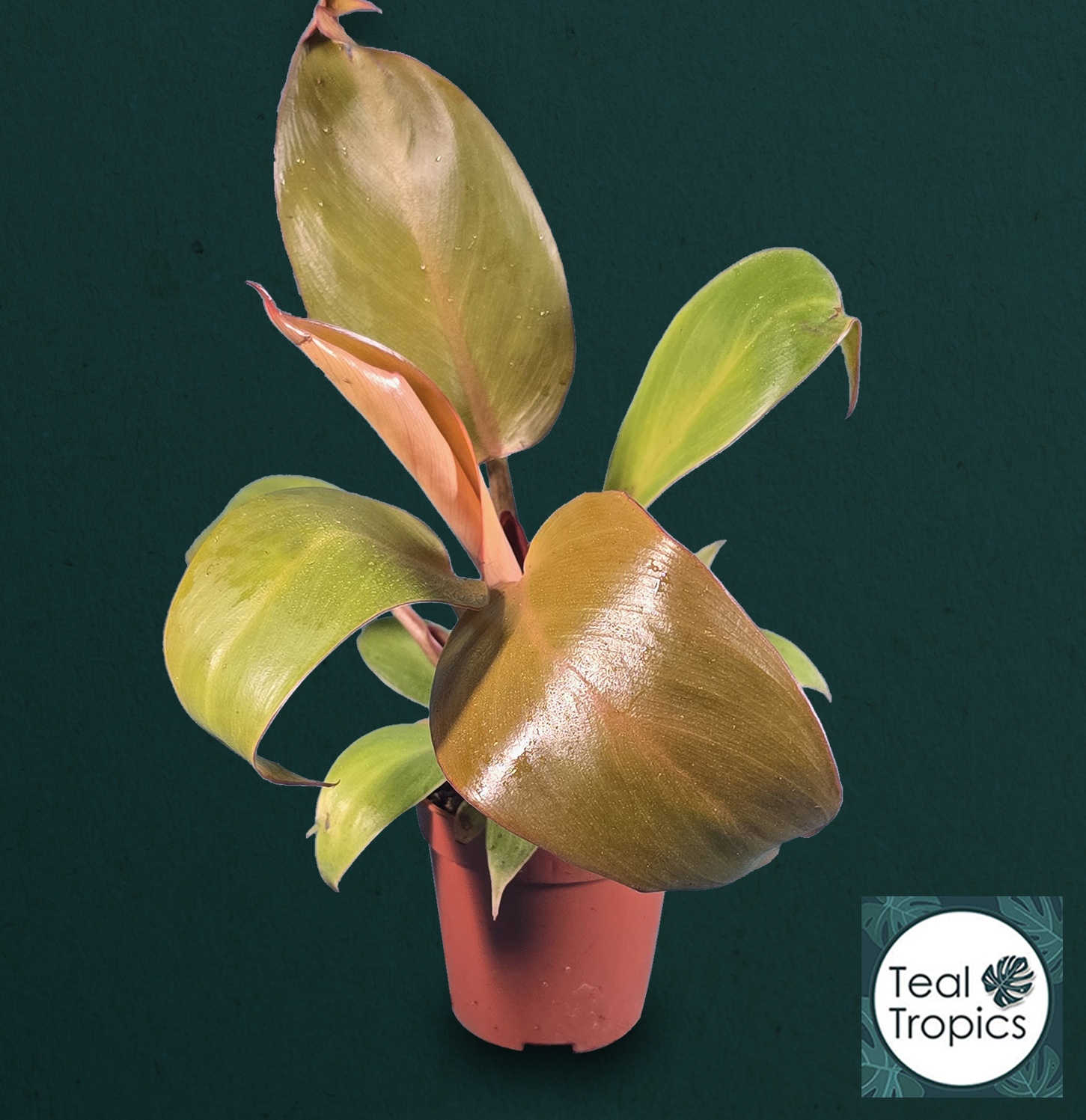
Philodendron ‘Prince of Orange’ (commonly called “Prince of Orange Philodendron”) is a vibrant, compact houseplant prized for its stunning foliage that transitions from brilliant orange and copper tones when young to deep green as it matures. Easy to care for and ideal for adding warm colour to indoor spaces, it prefers bright, indirect light and moderate humidity — perfect for shelves, desks, and accent spots where its eye-catching, colour-shifting leaves create dynamic botanical beauty.
Why Choose This Plant?
| Stunning colour-shifting foliage with brilliant orange and copper tones on new growth and an upright, compact habit make it ideal for creating bold colour accents in compact to medium spaces. Beginner-friendly when given bright indirect light, consistent moisture, and moderate humidity; thrives on shelves, desks, and accent spots where its vibrant new leaves add sophisticated botanical drama. |
Plant Details
|
Botanical Name Common Name Ease of Care Height/Length Growth Speed Pet Friendly |
Philodendron ‘Prince of Orange’ Prince of Orange Philodendron Easy — tolerant of various light and humidity conditions Leaves ~8–15 cm; plant typically 30–60 cm (12–24 in) in height, upright habit Moderate-growing Toxic to pets and children; contains calcium oxalates that can cause irritation if ingested |
Care Guide
| Light | Bright, indirect light intensifies orange and copper tones on new growth; tolerates moderate indirect light but colour saturation decreases. Avoid harsh direct sun that can scorch leaves; insufficient light causes slower growth and loss of vibrant colouration. |
| Water | Keep soil consistently moist but not waterlogged; allow the top 2–3 cm to dry slightly between waterings. Prefers evenly moist soil; reduce watering in winter. Sensitive to both drought and overwatering; prefers slightly drier conditions than some tropical plants. |
| Humidity | Prefers moderate to high humidity (50%+); misting or grouping with other plants helps maintain ideal conditions. Tolerates average household humidity better than many tropical plants. Avoid placing near heating vents or air conditioning. |
| Temperature | Ideal 18–24°C (64–75°F); keep above ~13°C (55°F) and away from cold drafts, temperature fluctuations, and heat sources. |
Use a well-draining, slightly moisture-retentive mix (peat or coco with perlite). Repot every 12–18 months as the plant grows; prefers room to expand. Fertilise lightly during the growing season. Prune or pinch back stems occasionally to encourage bushier growth and maintain compact form. Remove dead or yellowing leaves to maintain appearance.
Use in Terrariums
| Suitable for larger open terrariums and paludariums where its upright, compact form and vibrant foliage create striking focal points; the colour-shifting orange and copper leaves add dynamic visual interest. Best in open or semi-open containers to prevent moisture buildup and allow for growth. Avoid fully sealed containers that restrict air circulation and can cause fungal issues. Ensure bright, indirect light reaches the foliage to maintain vibrant colouration. |